

From May 19, 2026 to June 27, 2026
Reisingerstraße 6 Rgb, 80337 München, Germany
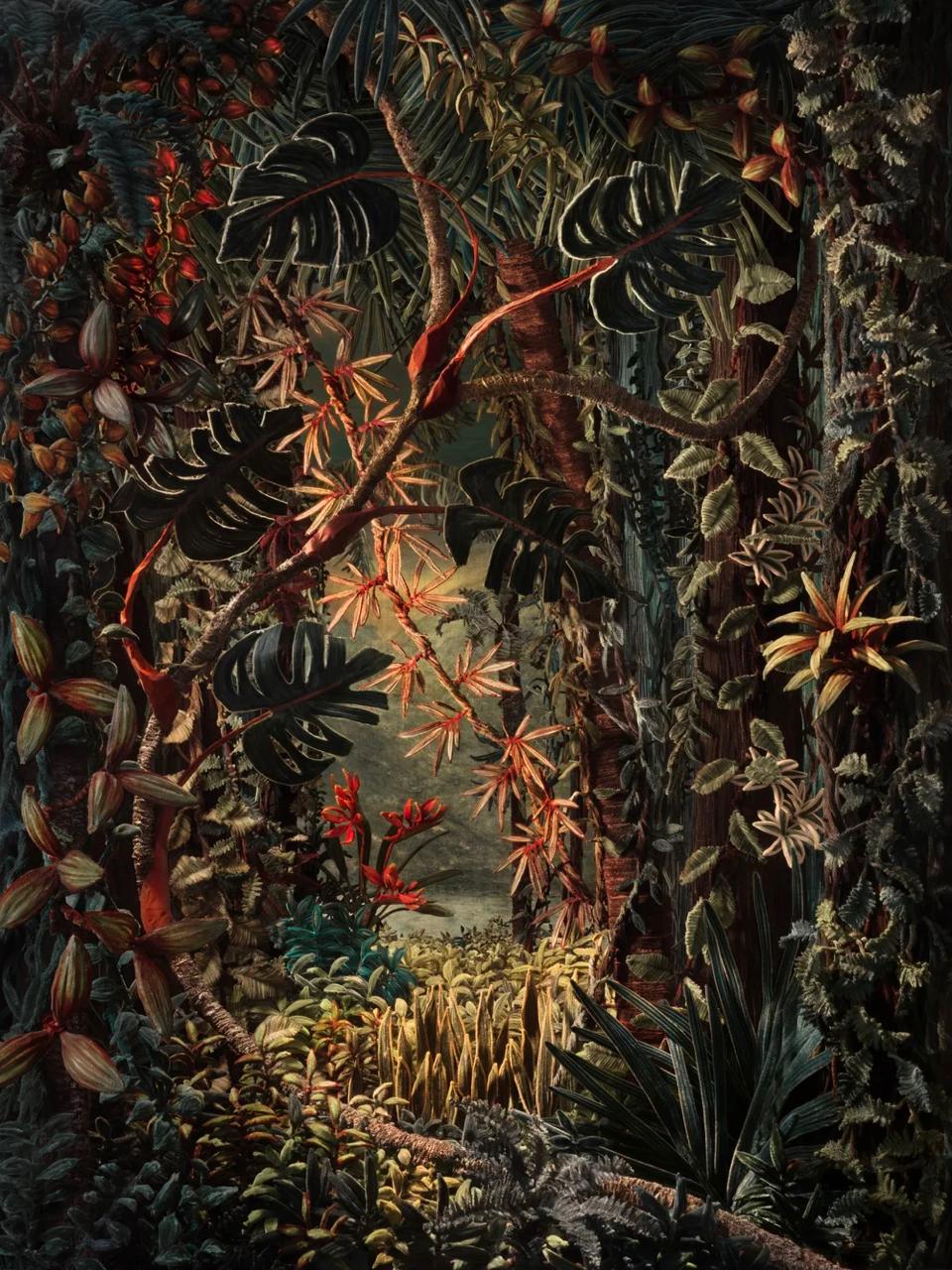
Sonja Braas, The Other Day MVI, 2025, Color Pigment Print, 150 cm x 113 cm, Edition 2 of 5 + 2AP
This body of work examines the formation of perception and the ways in which photography mediates our relationship to the world. Even though photographic images may be staged or manipulated, they remain culturally embedded as forms of evidence—circulating through social media, news media, and personal snapshots as if they were transparent records of reality. At the core of Sonja Braas’s practice lies this tension: between trust and doubt, between what appears self-evident and what is revealed as constructed.
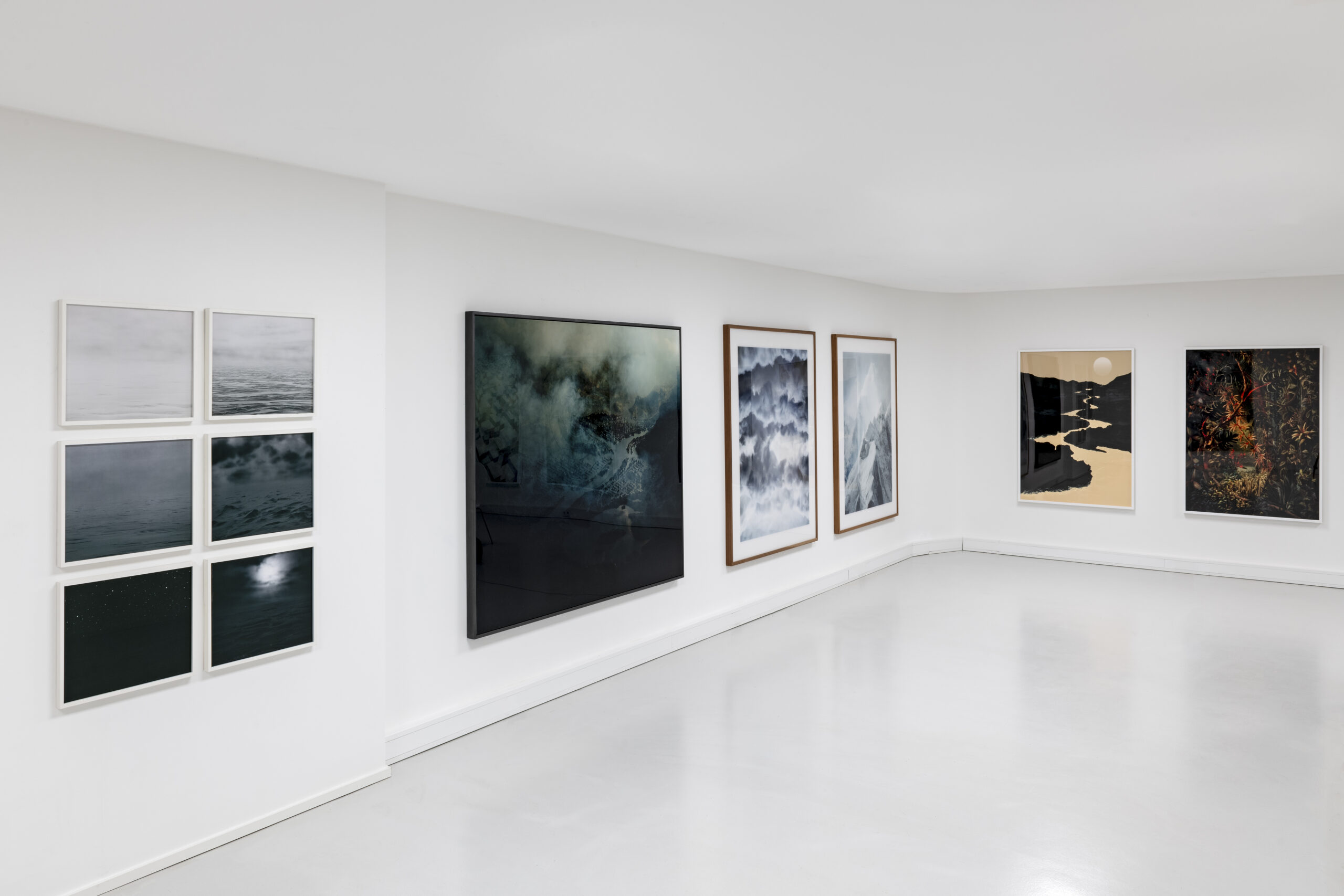
The photographs evoke idealized visions of the natural world; at once idyllic, sublime, or catastrophically destructive, yet they originate in meticulously constructed sets that the artist builds and subsequently photographs. A tornado formed from wire and cotton, an iceberg modeled in concrete, or a jungle assembled from pipe cleaners all appear to offer the viewer an imagined escape: into beauty, into wilderness, into a world seemingly untouched by human presence. Their large scale (up to 60 × 82 inches) intensifies this effect, enveloping the viewer through their physical presence, theatricality, and visual drama. This format encourages emotional immersion while simultaneously disclosing subtle traces of fabrication: the edges of the set, the material seams, and constructed details that interrupt illusion. These moments of exposure shift the experience from immersion to awareness. The photograph can no longer function as a stable window onto nature; instead, the viewer is positioned within a continuous negotiation between attraction and skepticism, directed not only at the image but by the act of looking itself.
Braas develops each series as a cohesive whole, beginning with preparatory drawings that map out the images in advance, akin to a storyboard. The construction of the sets is deliberately slow, often unfolding over months or years for a single photograph. Building, sculpting, and painting these environments involves iterative processes of trial and error, where accidents and material contingencies frequently open unexpected directions and alter the original conception. The eventual dismantling and destruction of the sets underscores the primacy of the photograph: the scene has existed materially, but only provisionally, and now survives solely as its image.
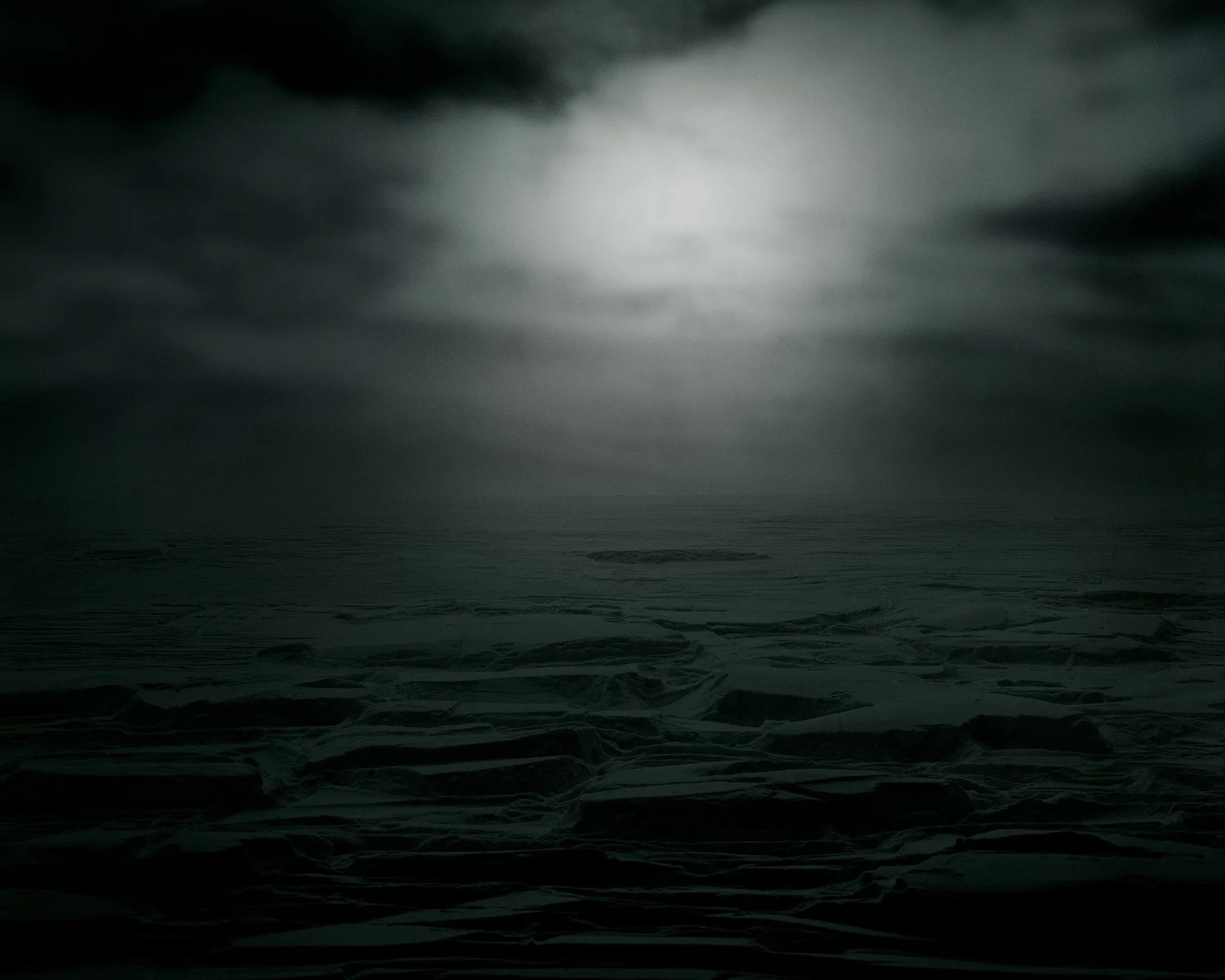
While each series is defined by a distinct conceptual focus, they remain interconnected as part of a sustained inquiry. The Other Day (2018–ongoing) reflects on nostalgia for an idealized nature that no longer exists. An Abundance of Caution (2014–2017) considers how fear and uncertainty shape perception. The Passage (2009–2012) constructs a fictional trajectory through time and space. The Quiet of Dissolution (2005–2010) engages with the aestheticization of destruction, while Forces (2002–2003) explores the idea of the sublime. Her earliest series, You Are Here (1998–2000), investigates how photographs condition expectations and construct a sense of place. Taken together, these works form an ongoing investigation into how images produce reality, and how viewers continuously navigate that production.
Within Braas’s practice, nature operates less as subject than as a conceptual and metaphorical stage upon which ideas are projected and tested. A prolonged stay in the rainforests of Central America intensified this inquiry. Immersed in dense vegetation, the artist experienced a peculiar sense of detachment, perceiving the environment through layers of mediation, expectation, and pre-existing imagery. The experience resembled standing behind glass: simultaneously within and separated from the world. This encounter between internal imagery and external reality, and the recognition of perception as culturally and visually conditioned, continues to inform her work.
Photography thus becomes a critical instrument for examining the mechanisms of perception and the persistence of belief in images. By constructing and dismantling landscapes—producing scenes that oscillate between seduction and unease—Braas stages a momentary suspension of disbelief, only to destabilize it. Her photographs function simultaneously as affective images and conceptual propositions, articulating a practice grounded in the understanding that images do not simply represent reality, but actively participate in its construction.
Artist Biography
Born in 1968 in Siegen, Sonja Braas lives and works in Germany and New York and her works are part of international Collections such as Albright Knox Gallery, Buffalo, Philadelphia Museum of Art, Fotomuseum Winterthur, Städtische Galerie Wolfsburg, Museum Küppersmühle, Duisburg, Sammlung Deutsche Bank, Munich RE and EON AG.
Artists
Image Gallery
Sonja Braas
The Other Day, M IV
2020
Pigment Print
173.3 cm x 130 cm
Edition 1 of 5 + 2 AP

Sonja Braas
Flood from the Quiet Dissolution Series
2006
C-Print, Diasec
185 cm x 150 cm
Edition 2 of 8
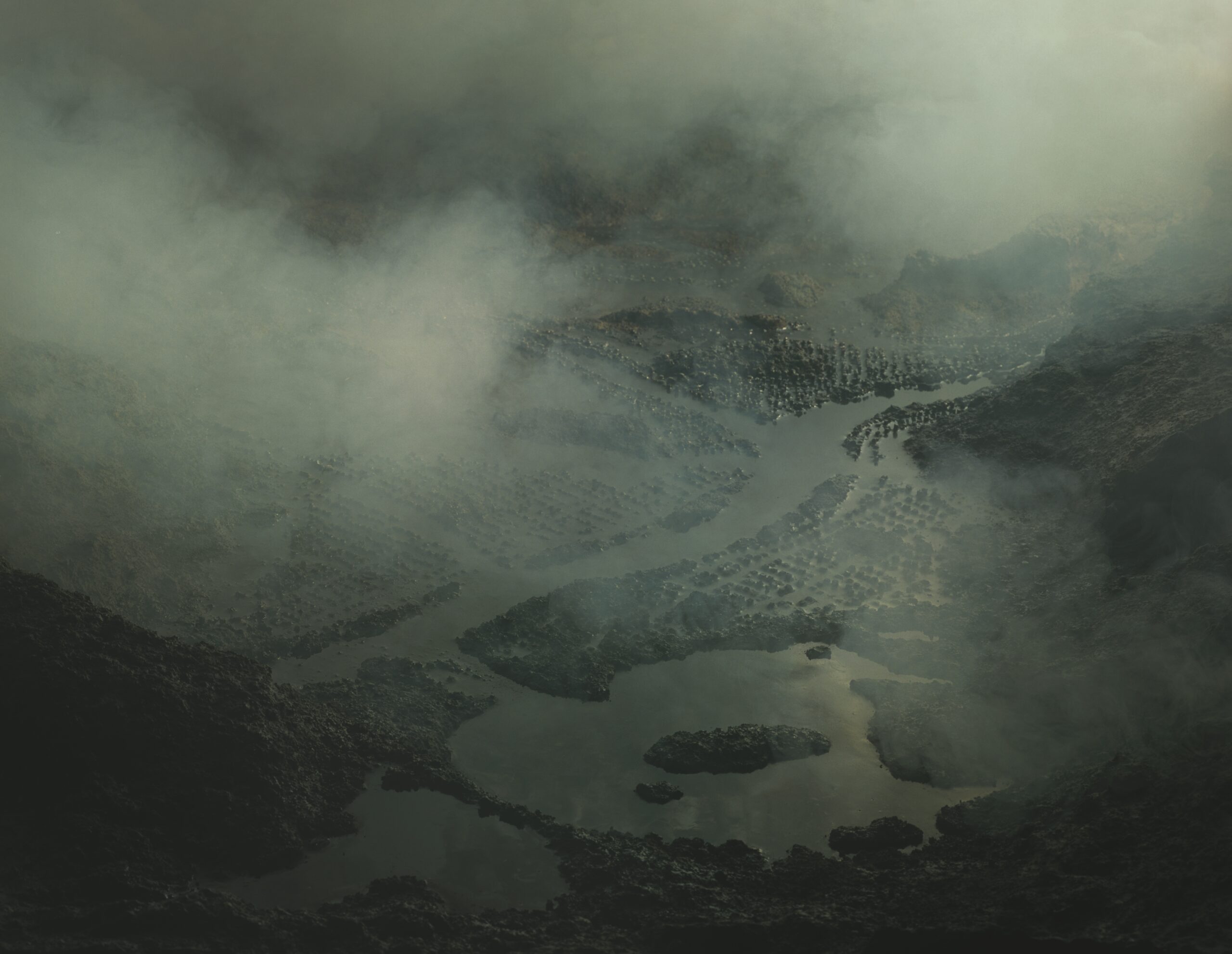
Sonja Braas
Week 30 From the series The Passage
2011
C-Print
103 cm x 128 cm
Edition 1 of 5
Sonja Braas
So Far
Exhibition View

Sonja Braas
Container From the series An Abundance of Caution
2015
Pigment Print
176 cm x 144 cm
Edition 3 of 8 + 2 AP

Sonja Braas
You Are Here #17
1998
C - Print, Diasec
95.5 cm x 75 cm

Sonja Braas
So Far
Exhibition View
Sonja Braas
You Are Here #2
1999
C - Print, Diasec
75 cm x 95.5 cm


Sonja Braas
So Far
Exhibition View
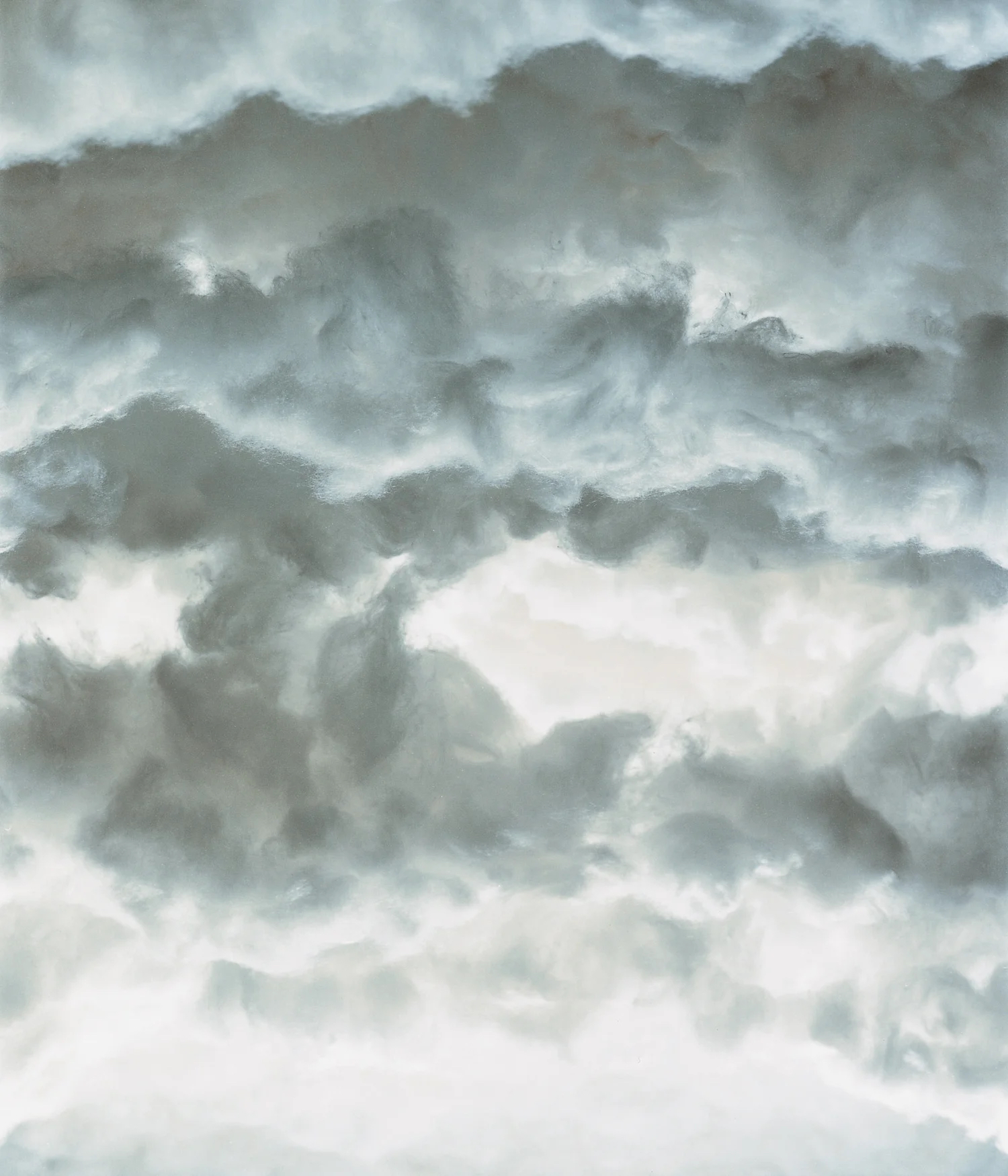
Sonja Braas
Forces 13
2002
C-Print, Diasec
170 cm x 150 cm
Edition 7 of 8

Sonja Braas
So Far
Exhibition View

Sonja Braas
Target from the Series An Abundance of Caution
2015
Pigment Print
176 cm x 144 cm
Edition 1 of 8 + 2 AP
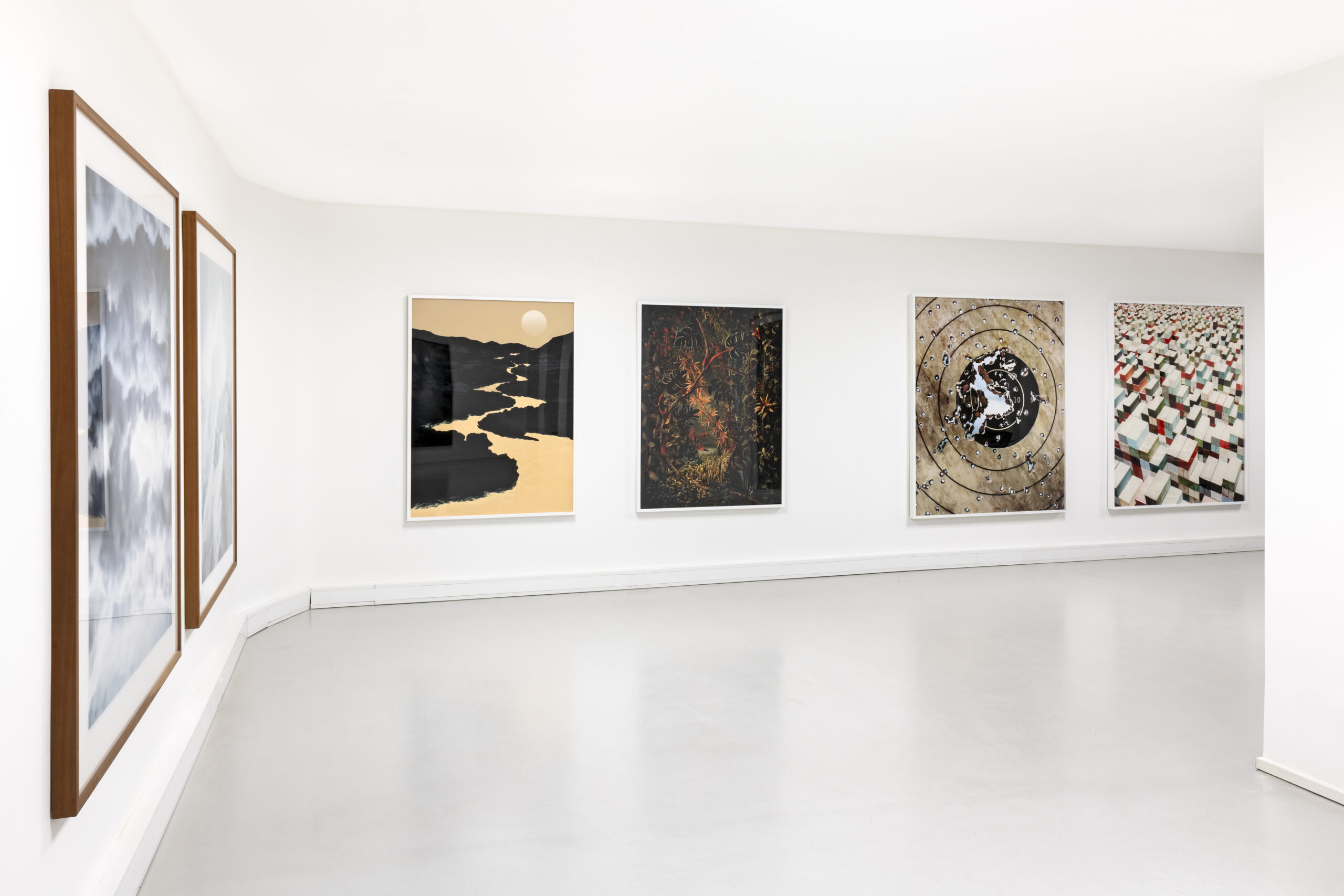
Sonja Braas
So Far
Exhibition View
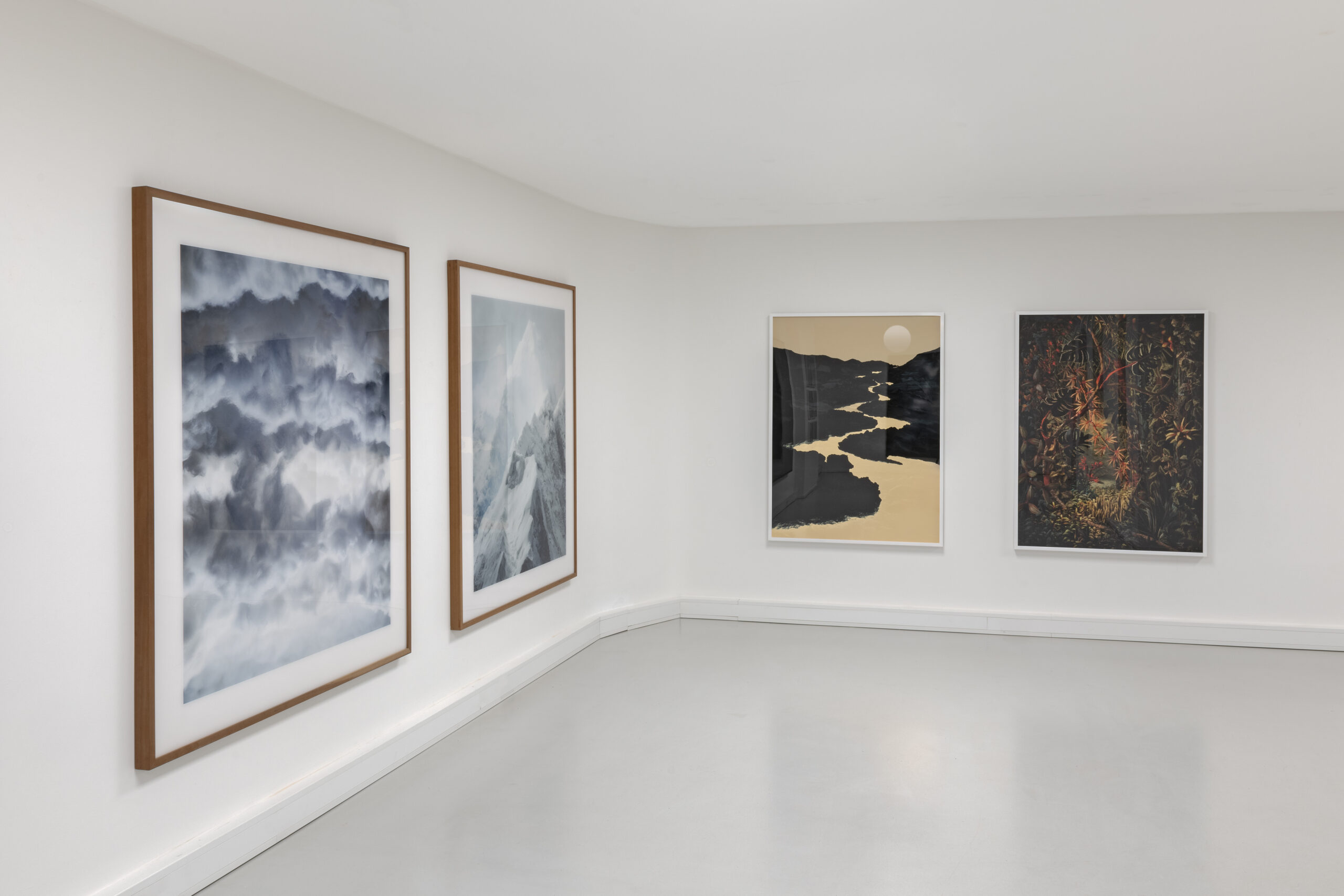
Sonja Braas
So Far
Exhibition View
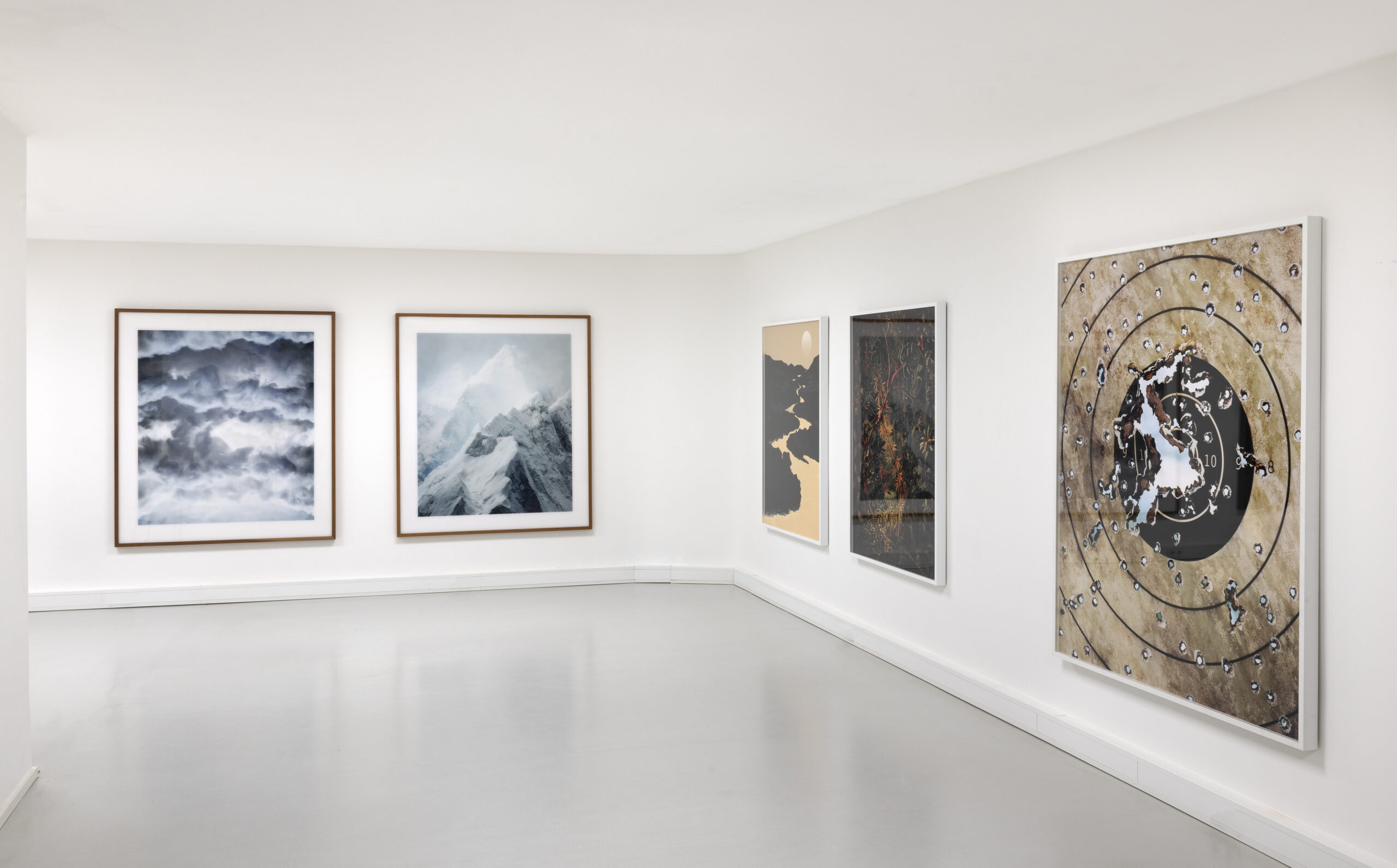
Sonja Braas
So Far
Exhibition View

Sonja Braas
Blizzard from the Quiet Dissolution Series
2006
C-Print, Diasec
185 cm x 150 cm
Edition of 8
Subscribe to our newsletter for ongoing updates on our artists and exhibitions