

From February 5-7
Doha Downtown Msheireb district

Installation View, Documents on Salt, 2024
The work
THE REVOLT – A Study on the Zanj Rebellion (869–883 AD)
has been selected by the Art Basel Selection Committee, together with Artistic Director Wael Shawky
Living in diaspora has shaped my relationship to memory, place, and belonging. My work explores
what persists from the past, the turbulence of displacement, and the act of reorienting oneself
within new environments.
Working across video, sculpture, painting, and installation, I examine—through both humor and
tragedy—how historical narratives are constructed, rewritten, and lived. In doing so, I aim to resist
the erasure of memory while using my experience of physical displacement as a critical lens
through which to question dominant histories and modes of belonging.
On (2023) – Part of King Abdulaziz Center for World Culture – Ithra collection – Art Prize winner
Galerie Tanit is proud to present THE REVOLT, a small-scale presentation of a larger ongoing
multidisciplinary project by Helsinki-based Iraqi-Finnish artist Adel Abidin. This focused selection
revisits the Zanj Rebellion (869–883 CE) — a fourteen-year uprising and one of the earliest and most
complex revolts in early Islamic history, carried out by enslaved Southeast Africans in southern Iraq.
Driven by his longstanding curiosity to draw connections between contemporary and historical
events, Abidin turns his attention to the earliest and most complex uprisings of enslaved Africans: the
Zanj Rebellion. Beginning in Basra, southern Iraq, in 869 CE, the Zanj—Bantu people forcibly taken
from the East African coast—were enslaved and compelled to drain salt marshes and mine salt
under brutal conditions. The violence of this system, and the resistance it provoked, offers a critical
lens for understanding the global structures of labor exploitation and displacement that persist
today.
THE REVOLT seeks to restore the voices of the Zanj through forms that merge material, memory, and
imagination. It underscores the centrality of oral storytelling in both Arab and African cultures,
recognizing how history is shaped by those who record it, and how much is obscured when only the
victors’ narratives endure. Across its chapters, the project inviting audiences to confront the historical
foundations of present-day inequalities and to reconsider what archives, testimony, and
remembrance can mean.
The Zanj Rebellion (869–883 CE) stands as one of the longest and most consequential uprisings
against systemic oppression in early Islamic history. Centered in the marshlands of southern Iraq, the
revolt spanned fourteen years and was driven by the enslaved Bantu peoples’ pursuit of dignity,
justice, and freedom amid extreme labor and dehumanization under the Abbasid Caliphate. Their
struggle not only challenged the economic and social structures of the time, but also left a lasting
imprint on the history of resistance in the medieval Islamic world.
About the Artist
Adel Abidin (b. 1973, Baghdad, Iraq) earned a Bachelor’s degree in Painting from the Academy of Fine Arts, Baghdad (2000), and a Master’s degree in Time and Space Art from the Academy of Fine Arts, Helsinki (2007).
Abidin represented Finland at the 52nd Venice Biennale (2007) and participated in the Iraq Pavilion at the 54th Venice Biennale (2011). He has also taken part in major international biennials, including the 11th Cairo Biennale, the 17th Biennale of Sydney, the 4th Moscow Biennale, and Sharjah Biennial 10 (2011). His work has been exhibited internationally at the Mori Art Museum (Tokyo), Louisiana Museum of Modern Art (Denmark), Kiasma Museum of Contemporary Art (Helsinki), Mathaf: Arab Museum of Modern Art (Doha), the Museum of Fine Arts, Boston, the National Gallery of Victoria (Melbourne), and The New Museum (New York).
His works are held in major public collections, including Qatar Museums, Kiasma, Mathaf, Ithra, the NGV, and the Museum of Fine Arts, Boston, alongside numerous private collections worldwide. Adel has received several prestigious awards, including the Ithra Art Prize (Saudi Arabia, 2023), Alumni of the Year at the University of the Arts Helsinki (2022), the Finland Prize for Visual Arts (2015), and an Ars Fennica nomination (2011).
Image Gallery
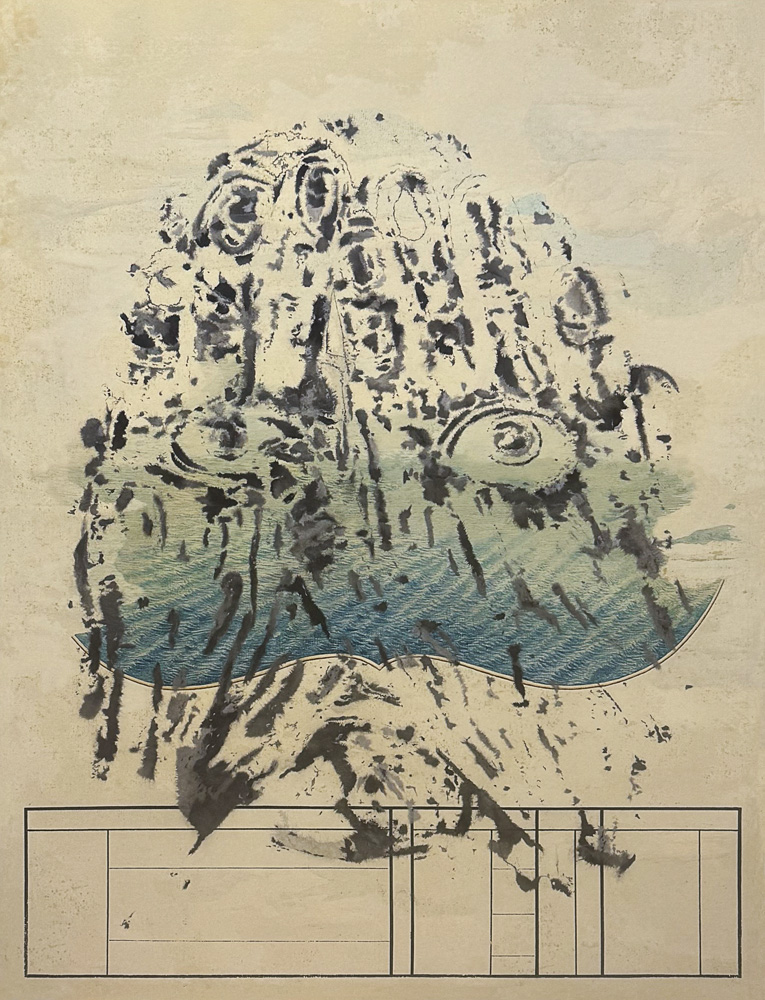
Adel Abidin
A Glimpse
2025
40g Kozo Black Paper and Ink on Awagami Murakumo Bozo Fine Art Paper Glued on Fabriano 300 gsm Paper
152 cm x 120 cm
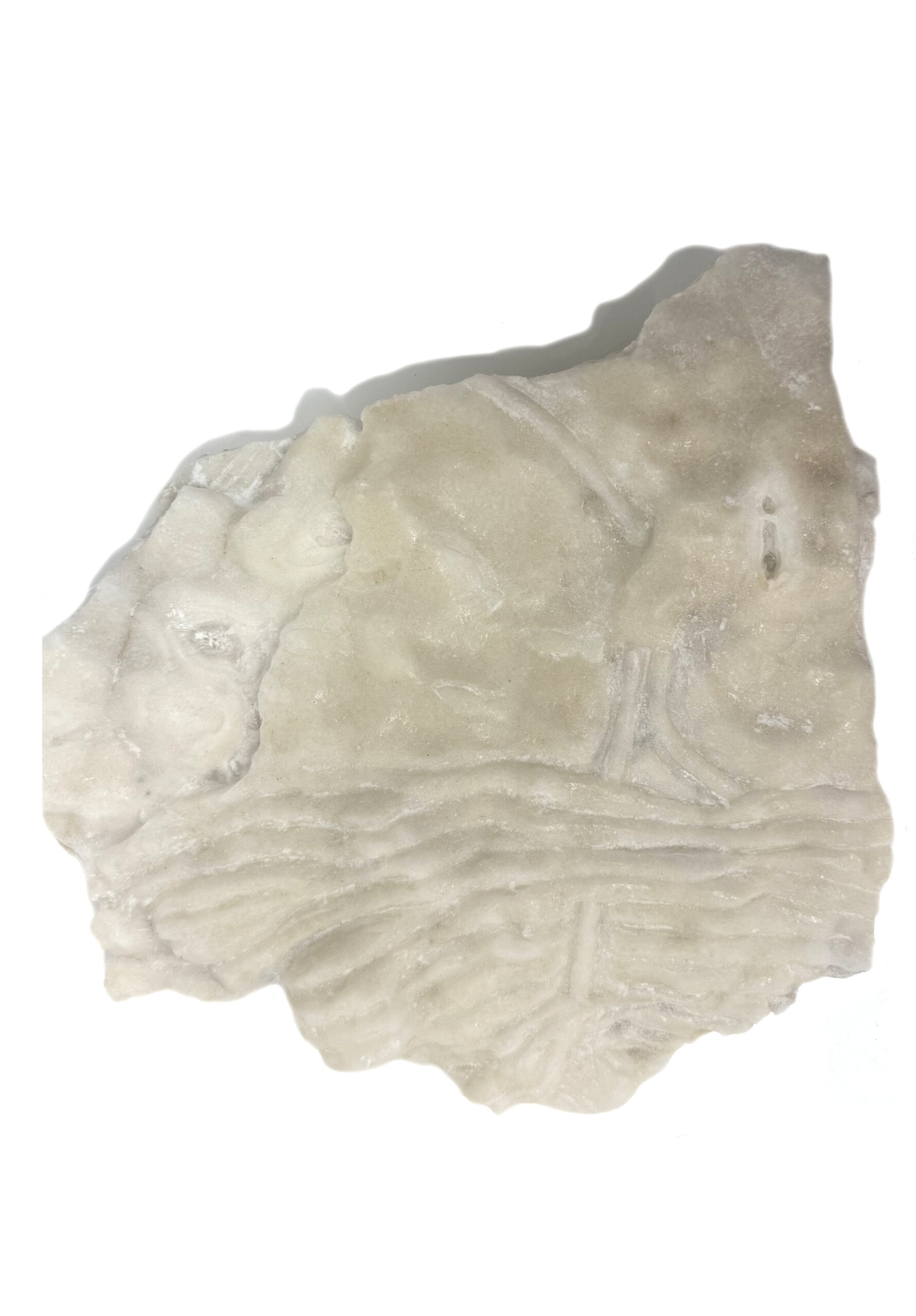
Adel Abidin
Document On Salt 8
2024
Natural salt slab, metal brackets
62 cm x 56 cm

Adel Abidin
ONSALT2
2024
Natural salt slab, metal brackets
43 cm x 37 cm
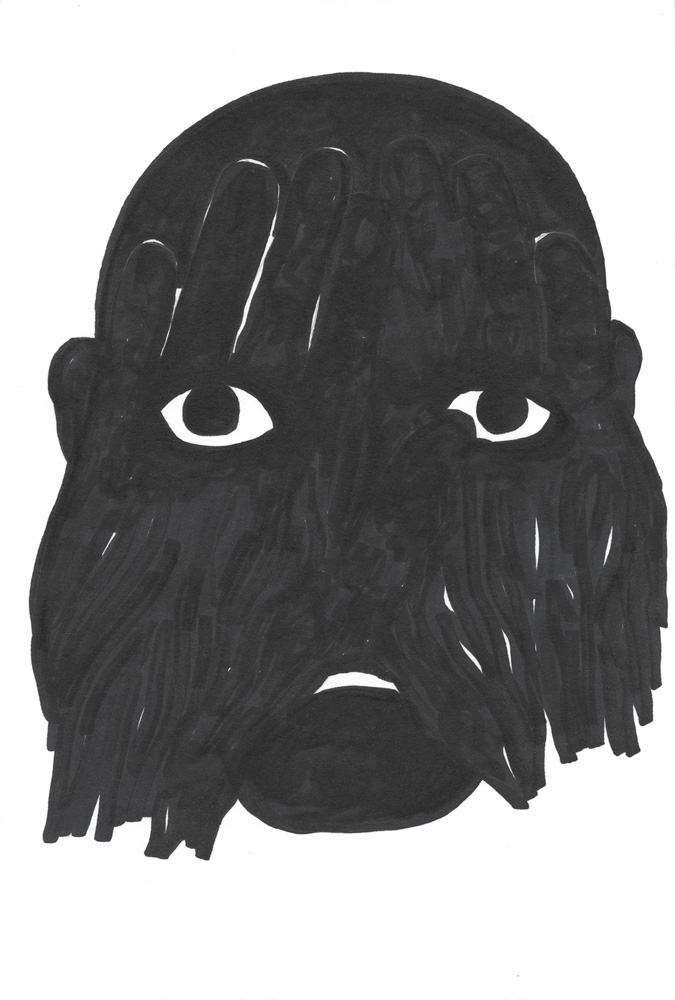
Adel Abidin
Unmatched Narrative 7
2024
Double Side Inkjet Print on Ulta Smooth RAG Paper, Acrylic Sheet Frame and Mirror
30 cm x 20 cm x 20 cm
Edition 1 of 5 + 2AP
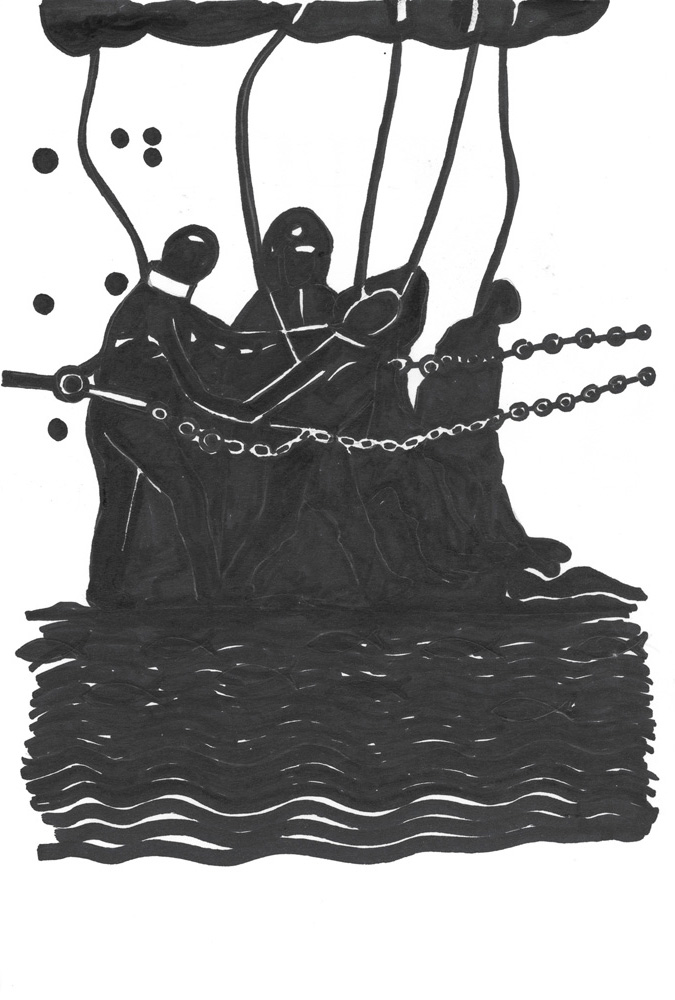
Adel Abidin
ONSALT3
2024
Natural Salt Slab, Metal Brackets
25 cm x 34 cm

Adel Abidin
Unmatched Narrative 8
2024
Double sided Inkjet print on Ultra Smooth RAG paper, Acrylic sheet frame and mirror
30 cm x 20 cm x 20 cm
Edition 1 of 5 + 2AP
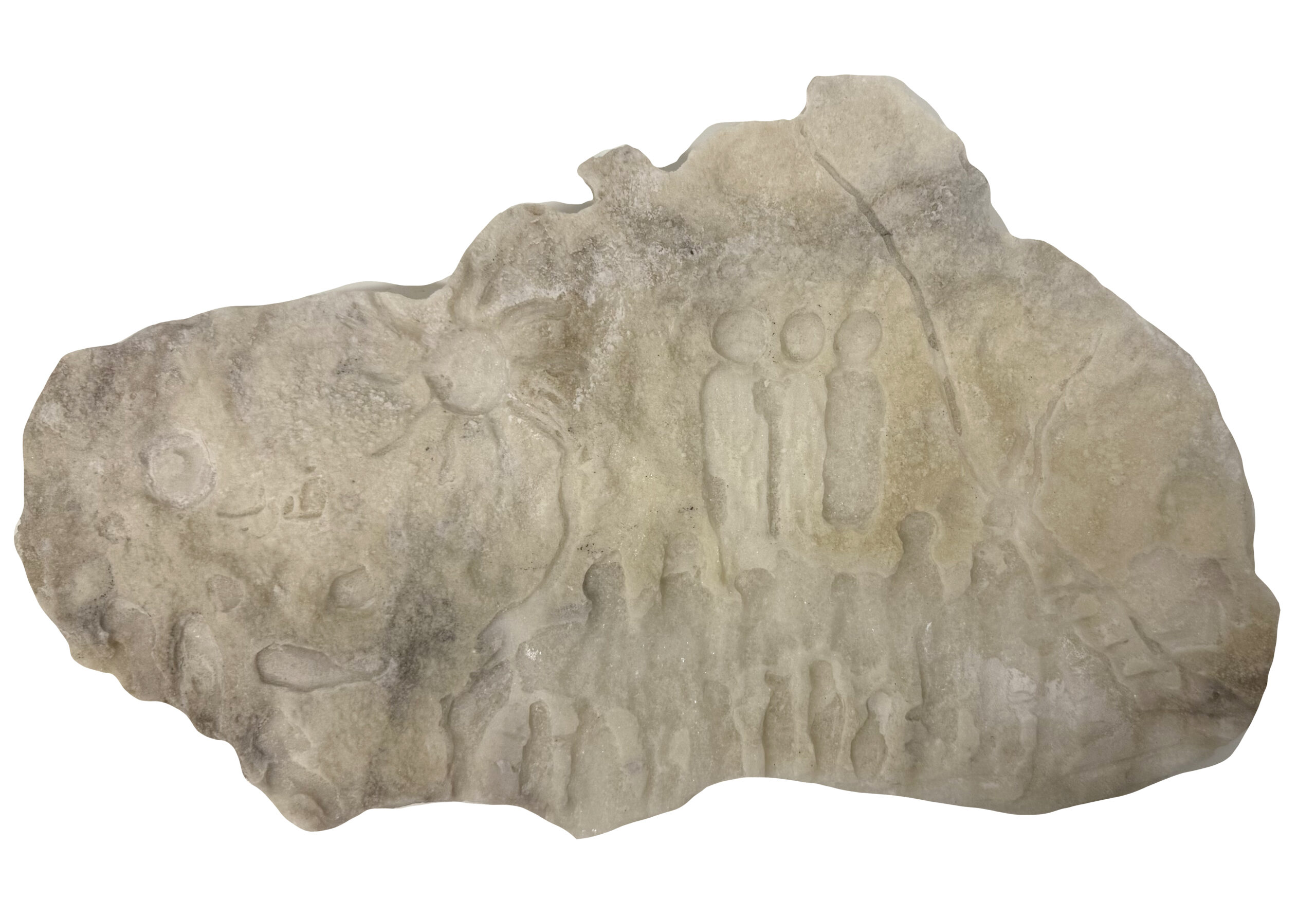
Adel Abidin
ONSALT 1
2024
Natural Salt Slab, Metal Brackets
30 cm x 51 cm

Adel Abidin
Unmatched Narrative 2
2024
Double sided Inkjet print on Ultra Smooth RAG paper, Acrylic sheet frame and mirror
30 cm x 20 cm x 20 cm
Edition 1 of 5 + 2AP
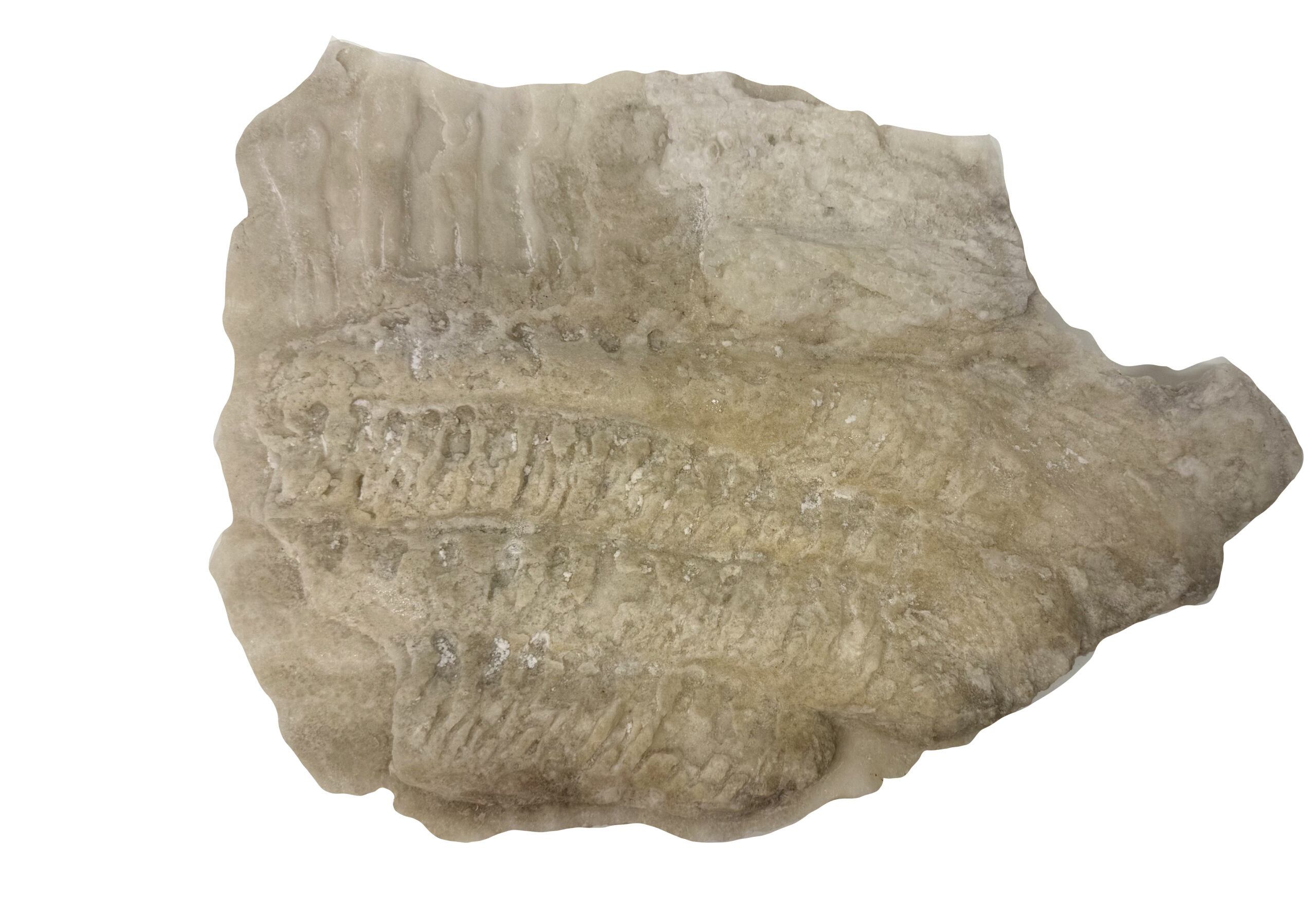
Adel Abidin
ONSALT4
2024
Natural Salt Slab, Metal Brackets
36 cm x 48 cm
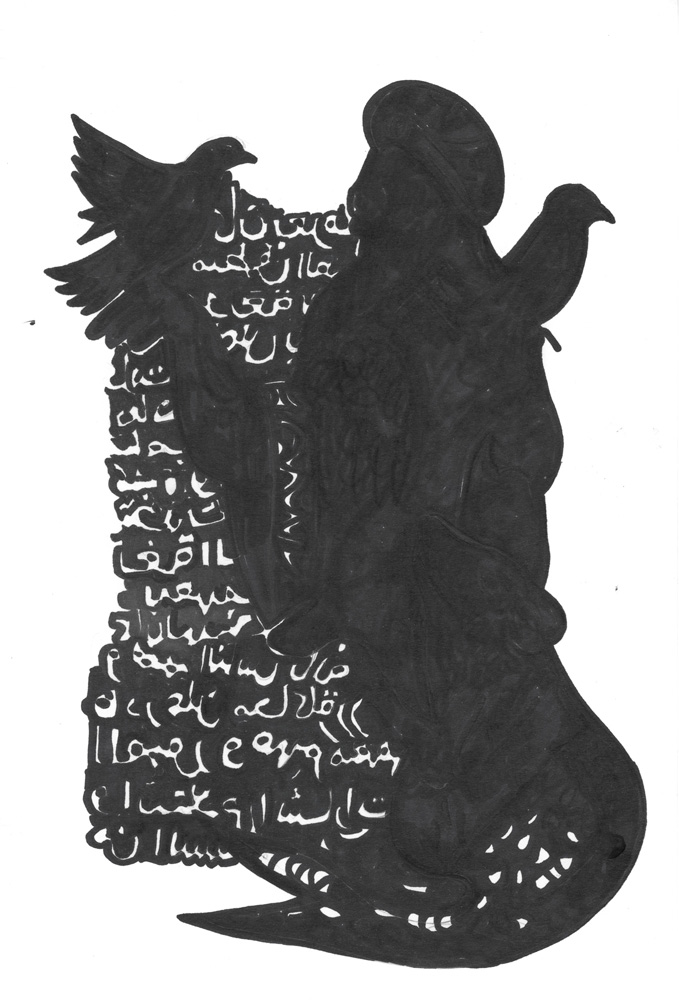
Adel Abidin
Unmatched Narrative 1
2024
Double sided Inkjet print on Ultra Smooth RAG paper, Acrylic sheet frame and mirror
30 cm x 20 cm x 20 cm
Edition 1 of 5 + 2AP

Adel Abidin
Unmatched Narrative 3
2024
Double sided Inkjet print on Ultra Smooth RAG paper, Acrylic sheet frame and mirror
30 cm x 20 cm x 20 cm
Edition 1 of 5 + 2AP
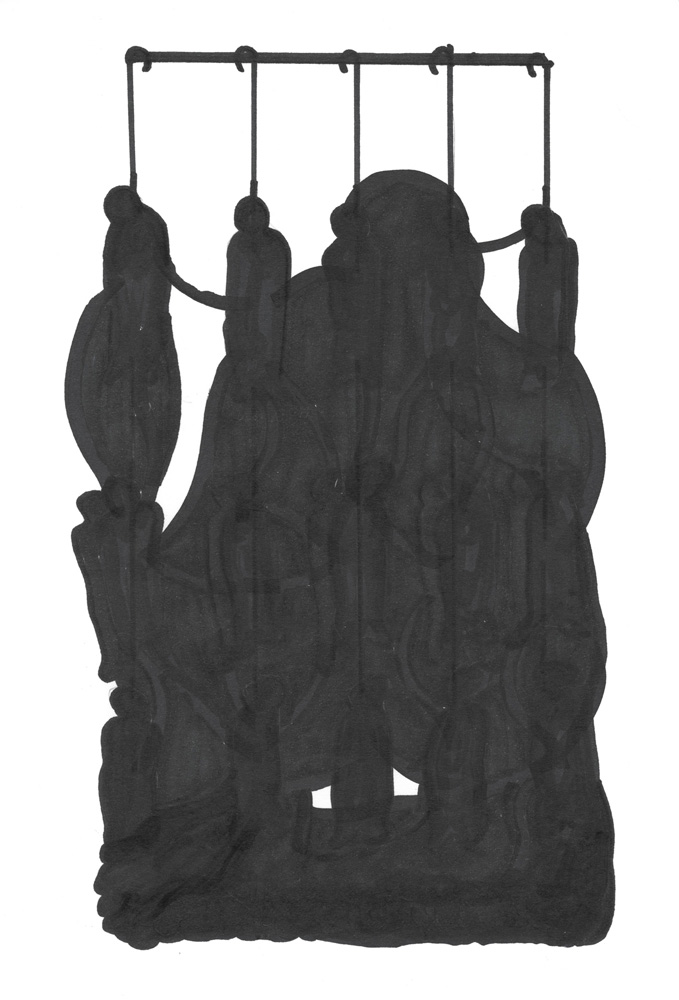
Adel Abidin
Unmatched Narrative 6
2024
Double sided Inkjet print on Ultra Smooth RAG paper, Acrylic sheet frame and mirror
30 cm x 20 cm x 20 cm
Edition 1 of 5 + 2AP
Subscribe to our newsletter for ongoing updates on our artists and exhibitions